
Clarke County Crime News
Local coverage orbits Athens and its consolidated government. Each outlet plays a different role. OnlineAthens keeps a rolling crime desk. Classic City News tracks ACCPD and metro public safety. WGAU handles regional reports, The Red & Black leans toward Athens and UGA affairs, and Flagpole adds weekly city context alongside WUGA's public-radio program. Their stories usually rest on a release, an incident report, a court filing, or an interview rather than a jail roster.
The Georgia Gazette Clarke County section sits apart as a county-local archive with booking-style cards and case follow-ups. It is not an official custody system. Stories can linger online long after a release, a correction, or a dismissal. For who is actually in custody, the Clarke County Jail booking and roster path settles it. A court record settles the outcome.
Headlines, photographs, and arrest releases each tell one small piece of a story. The filed case is where the facts live, so pull the court record before repeating anything a news piece says.
Athens News and Arrest Coverage
Athens Banner-Herald and OnlineAthens Crime runs the deepest conventional crime section in the area. Its reporters follow ACCPD, CCSO, UGA Police, the GBI, and the courts, with fresh stories through the week. Photos are a mixed bag. Some pieces run scene or agency images. Others show a supplied portrait or booking-style picture. Treat it as a news feed, not a booking list, and never infer current custody from it.
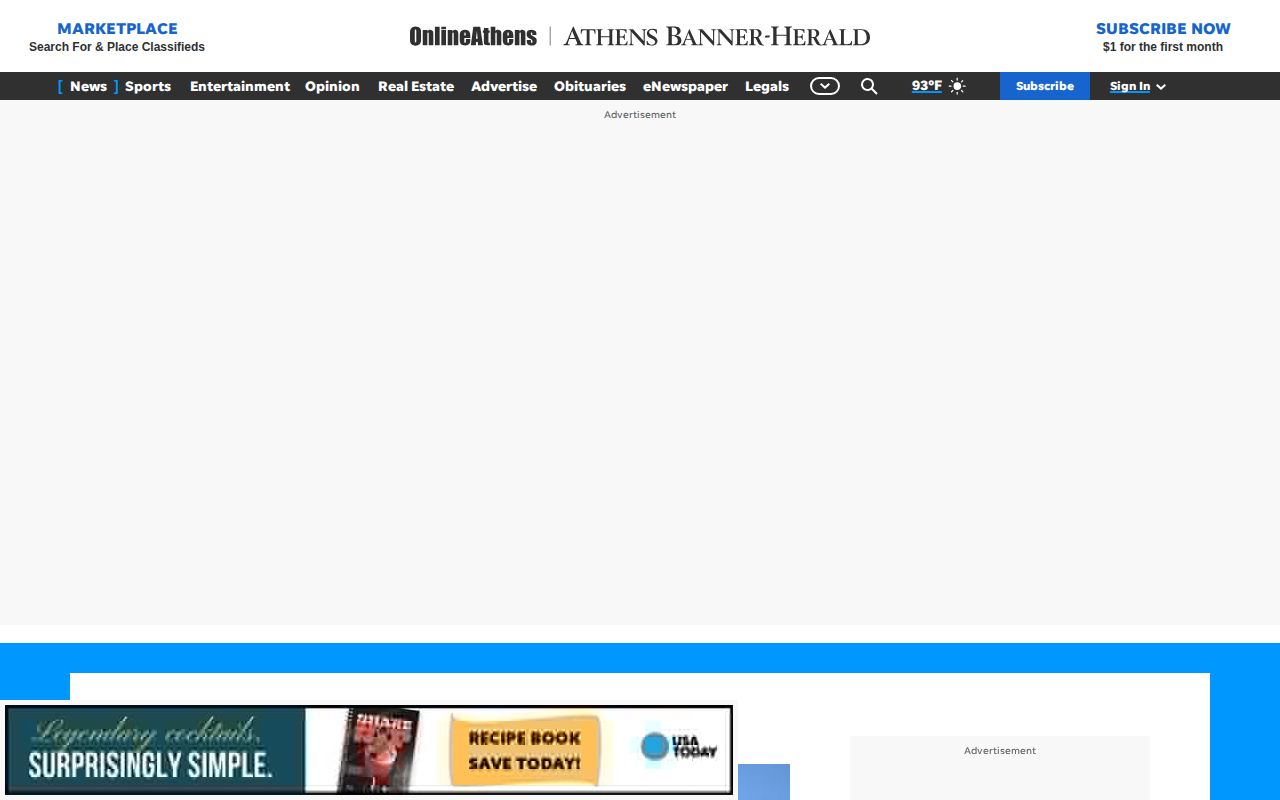
OnlineAthens is an entry point into local stories, not a catalog of every Clarke booking. Any name you find there should be matched against the arresting agency and the court file.
Classic City News keeps an unusually tight ACCPD category and often posts daily. Its named portrait and booking-style images are credited to ACCPD, GBI, CCSO, or court sources. WGAU Local News puts out a daily regional roll heavy on public safety, though it picks and chooses. Both help you discover events. Neither answers whether someone sits in the jail right now.
Clarke County News Outlets
Every outlet listed here has its own habits. The photo descriptions tell you what might show up in a story, not a promise that booking images come standard. Official sources come first when you need to know what is current.
| Outlet | Coverage and cadence | Photos? | Where |
|---|---|---|---|
| Athens Banner-Herald / OnlineAthens | Rolling local crime section, often several stories each week. | Varies by story and source. | Crime |
| Classic City News | High-frequency Athens public-safety and ACCPD coverage. | Often uses agency or booking-style images. | ACCPD category |
| WGAU | Daily regional local-news roll with arrests and public-safety summaries. | Story-dependent. | Local news |
| The Red & Black | Student reporting on Athens government, UGA safety, and courts. | Staff, scene, or occasional official images. | Athens news |
| Flagpole | Weekly local context on policing, jail, courts, and government. | Not a comprehensive photo feed. | News |
| WUGA | Weekly Athens News Matters public-radio and current-affairs coverage. | Generally not booking-photo publication. | Program page |
| CCSO and ACCPD releases | Official, selective announcements and public-safety notices. | Agency-supplied images may vary. | Sheriff and ACCPD |
| Georgia Gazette | County-local secondary archive with booking-style cards and case follow-up. | May show images; coverage is unofficial and can be stale. | Clarke section |
Plenty of mugshot brands advertise Georgia coverage. RecentlyBooked's index showed no verified Clarke section, and county pages for Busted Newspaper, Mugshots.com, Arrests.org, and Mugshots.zone were missing, blocked, or unusable. A brand name alone proves nothing about local coverage. Don't stretch a neighboring county page to cover the gap.
How Booking Photos Reach News
Where do news photos come from? An agency release, a records request, a court filing, an interview, or the publisher's own camera. Georgia's O.C.G.A. § 35-1-19 restricts how arresting agencies publish and share booking photographs on their websites, which explains why the official Clarke roster and its seven-day recap stick mostly to text. The statute stops short of making every image confidential, though. Newsrooms get their pictures through other channels.
The county's online tables show no portrait column. A detail view might support an image, but nothing is promised. Want a specific booking photo? Ask CCSO directly, with the person's name, booking date, MID, and arresting agency. A news outlet may have a different source, and if an article is wrong, contact both the publisher and the government office holding the record.
The Georgia Gazette county landing page sits behind the secondary archive noted here. Treat its cards as leads, then confirm with official sources.
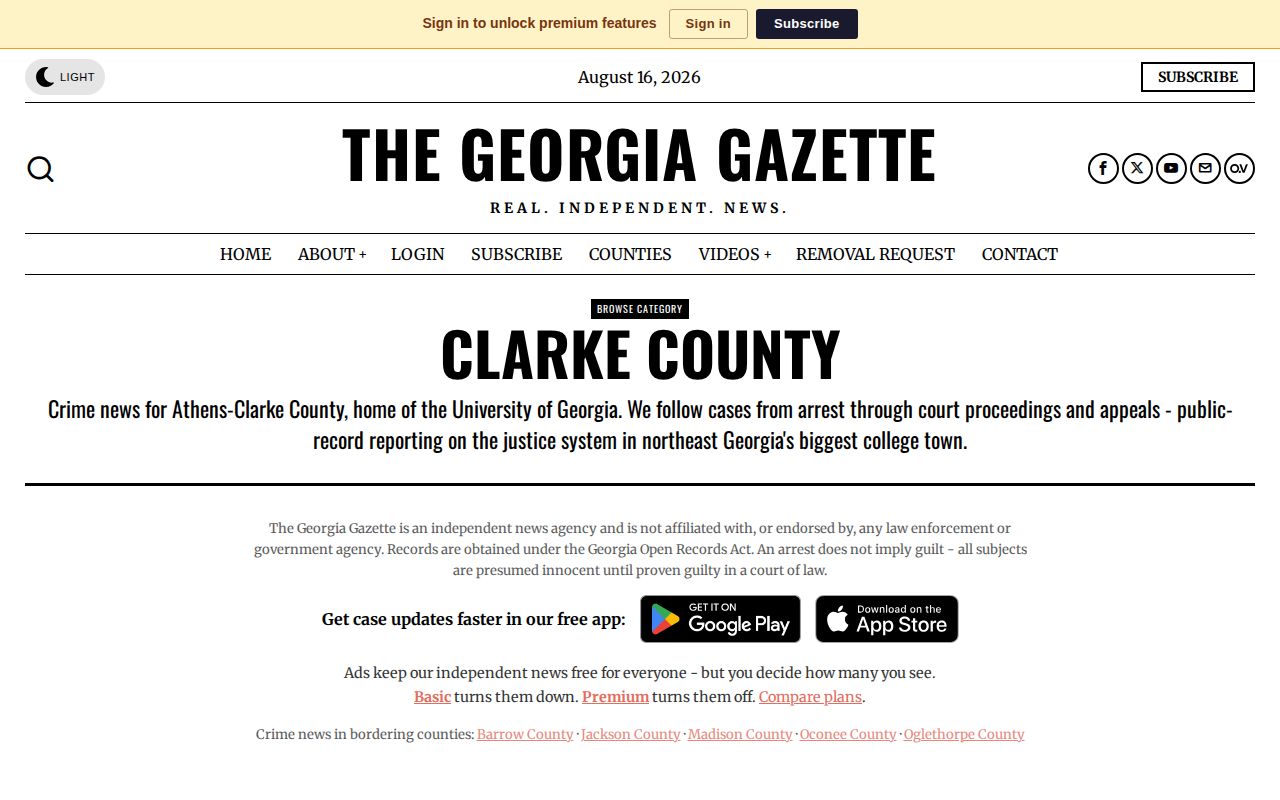
The Georgia Gazette material maps the county's secondary landscape, nothing more. It is not a live custody source. Check any image or charge against CCSO and the court record.
Georgia's free statutory removal route, laid out in O.C.G.A. § 10-1-393.5, covers only qualifying commercial publishers and qualifying outcomes. The Georgia Attorney General walks through the request process, and a news and commentary exception can apply. Keep three things separate when you seek a correction: the source record, the publisher's policy, and the court disposition.
From Story to Clarke Record
A story is a lead, not the finish line. Follow the custody record instead. Match the agency and date first, then search. Someone named in an article might have been arrested by ACCPD, UGA Police, CCSO, Winterville Police, or another department, with the booking handled at the shared county jail.
- Copy the person's name, arrest date, agency, and case clues from the story. Do not assume the headline's location is the booking county.
- Check the CCSO current list after its 24-hour publication delay for a person still in custody.
- Check the seven-day recap for a booking or release, then match the MID and booking time across charge rows.
- Request the jail booking sheet or intake photo from CCSO, and request an incident report from the arresting agency if the two records differ.
- Use the court jurisdiction and case number to find the filed charge and disposition.
Court paperwork starts with the Clarke County clerk gateway, which handles Superior and State Court files. The county courts portal adds Magistrate, Municipal, Probate, and Juvenile resources too. One quirk worth knowing: a booking record can carry the original charge wording even after the case moves on.
Someone transferred into state prison shows up in a different place. The Georgia Department of Corrections offender search covers that population. It is not a live county booking feed, and reading a news story is no substitute for either system.
Official Clarke Crime Releases
Clarke County crime news comes from several agencies at once. CCSO and ACCPD both post notices and safety updates. A social media post is a fast lead, not a booking log. Posts get edited or deleted, and they rarely follow a case to its end. UGA Police adds another layer. Its daily log archives incident and report summaries with no photos, and it is not a jail roster. The Athens city page explains why UGA Police bookings still route into the shared county detention system.
This agency mix shapes how the records fit together. The seven-day recap carries an arresting-agency field. That field links an ACCPD or UGAPD event to the central CCSO custody record. ACCPD's Community Crime Map shows where an incident was reported; the jail report shows who was booked. Related data, but not the same data. When you need to track down a report, the Classic City News ACCPD section is one local channel worth checking.
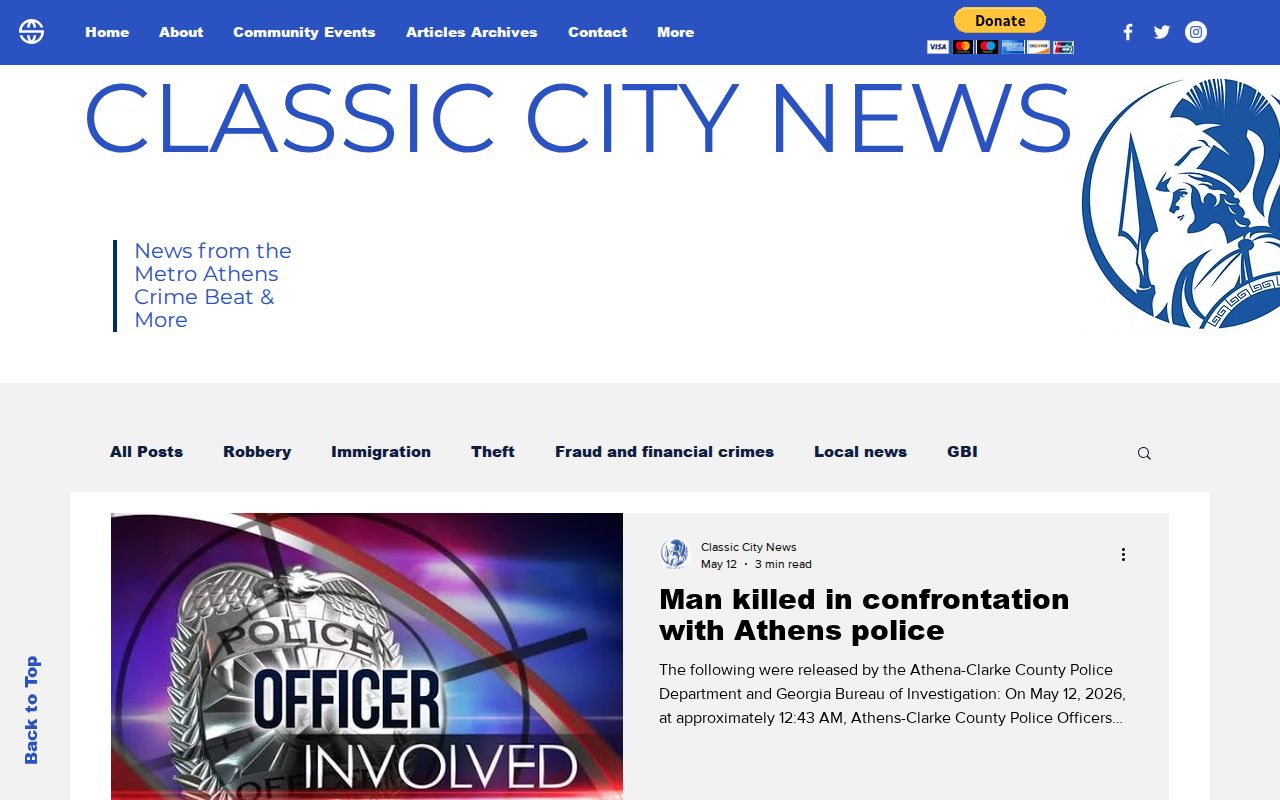
Local reporting fills a narrow role here. Classic City News covers ACCPD activity closely, so it works well for finding when and where an event happened. For custody details and booking identifiers, the county sources still stand as the official record.
Why News Dates Differ From Bookings
A story's date and a booking's date rarely line up. Clarke's current list and seven-day recap both hold new entries for 24 hours. After that, they update every 15 minutes. So a news article can surface before the official table does, after it, or never at all. The recap can also show someone released while the current roster has already dropped them.
The two formats count things differently too. One article may bundle several charges together. The recap, meanwhile, repeats a MID across separate charge rows. A story can say "arrested" without telling you whether the person was released, transferred, or still held. Match the booking time, the arresting agency, and the MID. A release field is a snapshot, nothing more.
Treat the three layers as one system. News gives context, CCSO supplies custody data and booking identifiers, and the court settles the outcome. No single feed tells the whole story.
Clarke City Crime Coverage
Coverage depth tracks the city. Athens is the county seat, so it draws the most attention. ACCPD and UGA activity both land there. Winterville has its own WPD, but no official daily arrest blotter exists, so its bookings surface only in the CCSO recap. Bogart sits astride the Oconee County line and lists no municipal police department on its city site. A Bogart dateline or mailing address cannot tell you which county holds the booking.
City-specific record paths keep things sorted: Athens Busted Mugshots, Bogart Busted Mugshots, and Winterville Busted Mugshots. Each one separates local police coverage from the central jail record. A regional outlet may mention all three cities without keeping a city-only blotter.
News Is Not the Disposition
Court events and arrest-time headlines live in different worlds. Arraignment, bond, dismissal, reduction, nolle prosequi, plea, and trial all happen later. No headline written on booking day can predict them. A mugshot can linger in an article long after a charge changes. A county roster may drop a released person while the story stays searchable forever.
Read the final court record. Pull the case number, confirm the court jurisdiction, and check the outcome before you repeat a headline as fact.
When an article and a government table disagree, note the difference. Then ask the source offices to explain it. That habit keeps your reading of Clarke County crime news honest and grounded.